Foreign Trade Zone #231
Resources · Stockton, California
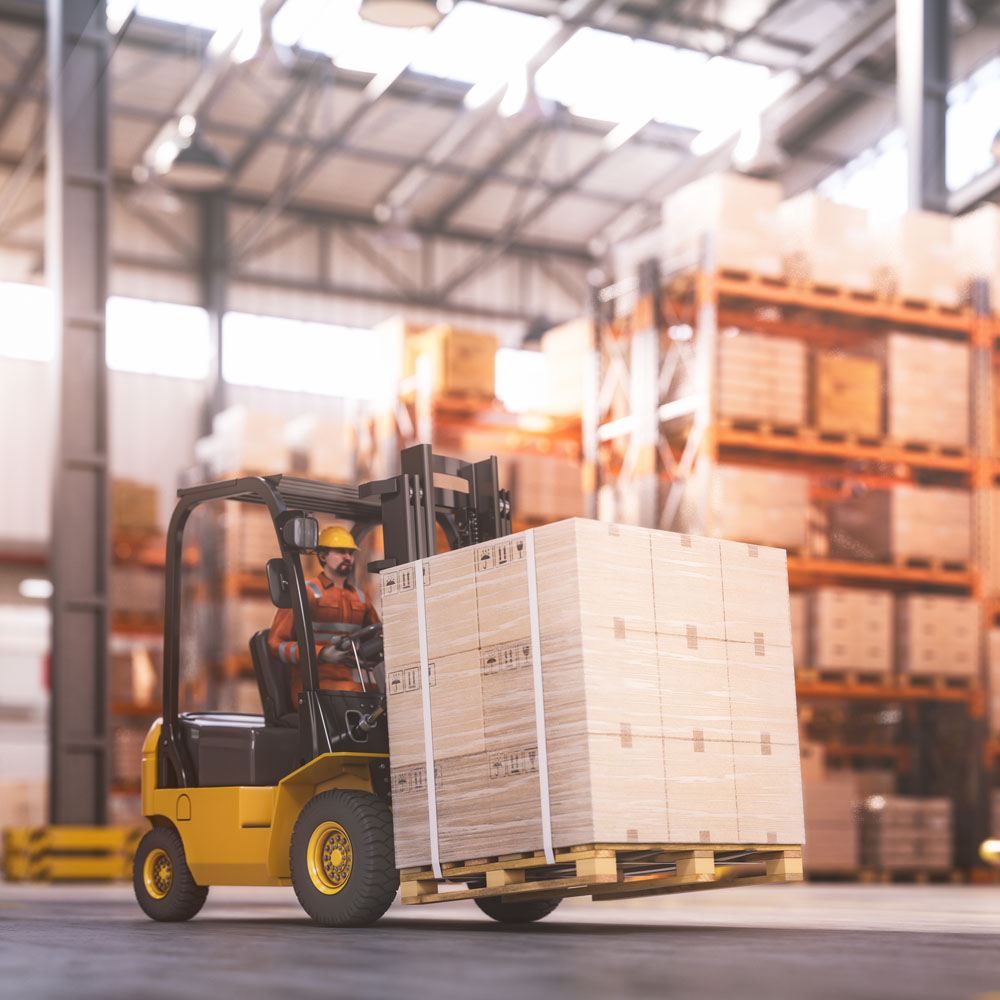
Inside Foreign Trade Zone #231, Stockton businesses import, store, and manufacture with customs duties deferred, reduced, or eliminated — a port-wide edge for companies competing in global trade.
A Foreign Trade Zone is treated as legally outside U.S. customs territory: goods can be landed, stored, assembled, and manufactured inside the zone without paying duties until they enter the domestic market — and never, if they're re-exported. Stockton's FTZ #231 puts that power in the middle of the Central Valley, with coverage across the Port of Stockton's terminals and warehouses and designated sites in the city's industrial districts, so a company doesn't have to be on the waterfront to operate under zone status.
The zone's grantee, the Port of Stockton, administers FTZ #231 and can activate qualifying sites for individual operators — pairing duty savings with the Port's deep-water berths, rail service from both BNSF and Union Pacific, and millions of square feet of on-dock warehousing. Zone coverage extending toward Stockton Metropolitan Airport and the surrounding Airport Way industrial corridor adds air cargo and highway-served distribution sites to the map, giving operators a choice of water, rail, air, and freeway logistics under one customs umbrella.
The economics are compelling for a wide range of businesses: importers defer duties while inventory sits in the zone and improve cash flow immediately; manufacturers with "inverted tariffs" pay the lower finished-goods rate instead of higher component rates; and exporters eliminate duties entirely on goods that never enter U.S. commerce. Combined with FTZ-designated warehouse space currently available in Stockton — including high-cube, rail-served buildings listed on this site — the zone turns a customs technicality into one of the most concrete cost advantages the city can offer a global business.