Resources

Our most-used resources and programs, loved by Stockton businesses.

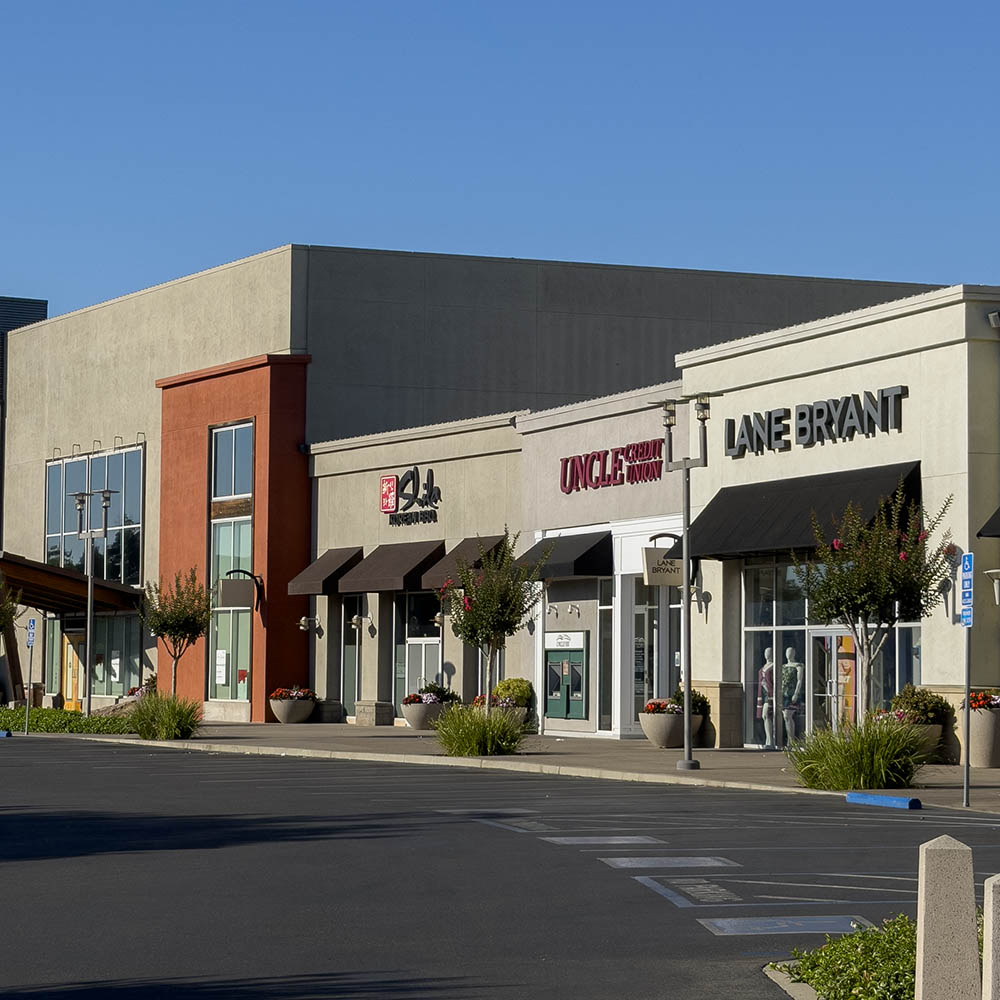
Permit center counter at Stockton City Hall

Streamlined Permitting

All sectors · Expedited plan review · Decisions in 30 days

Time kills deals, and Stockton has built its permitting process around that reality. Through the Streamlined Permitting program, qualifying commercial projects — tenant improvements, new construction, and adaptive reuse alike — receive a committed 30-day decision timeline from the city's Permit Center at 501 W. Weber Avenue. Instead of routing plans through departments one at a time, Stockton runs planning, building, and fire reviews concurrently, with a single project coordinator accountable for keeping your application moving.

The program is backed by a city government that treats development as a partnership. The City of Stockton's Economic Development Department offers pre-application meetings that surface issues before you spend money on drawings, and the San Joaquin Partnership — the county's economic development corporation — provides free site-selection support and coordinates state and regional incentives alongside your local approvals. Together they give businesses one team to call from first site tour to certificate of occupancy.

Streamlined Permitting works best as part of a package. Pair it with other Stockton incentives, such as Foreign Trade Zone #231 for port-adjacent industrial projects. Whether you're opening a restaurant on the Miracle Mile or breaking ground on a distribution center near the Port, the message is the same: bring Stockton a complete application, and the city will get you an answer in 30 days.


Opportunity zone investment map of Stockton

Opportunity Zone Investment

Investors · Federal tax benefits · 19 designated zones

Stockton's 19 federally designated Opportunity Zones encompass key commercial, industrial, and redevelopment areas, offering federal tax incentives for qualifying investments.

Created by the federal Tax Cuts and Jobs Act of 2017, the Opportunity Zone program provides federal tax incentives for eligible investments made through Qualified Opportunity Funds (QOFs) in designated communities. Stockton currently has 19 federally designated Opportunity Zone census tracts spanning Downtown; South, East, and North Stockton; and the vibrant Midtown area.

These areas include many of Stockton's major employment, transportation, institutional, and redevelopment assets, including Downtown and the waterfront, areas near the Port of Stockton, Stockton Metropolitan Airport, industrial areas in South and East Stockton, and portions of the Midtown and North Stockton communities.

The City of Stockton's Economic Development Department maintains information and mapping resources to help businesses, property owners, developers, and investors identify properties within designated Opportunity Zones and understand how Opportunity Zones investment may align with development opportunities in Stockton. State and federal agencies provide additional guidance regarding eligibility, Qualified Opportunity Funds, and applicable tax requirements.

The Opportunity Zones program is also entering a new phase. Federal legislation enacted in 2025 made the program permanent and established recurring 10-year designation cycles beginning with Opportunity Zones 2.0. California is currently conducting its OZ 2.0 designation process, with new designations scheduled to become effective January 1, 2027. Stockton has actively participated in that process by identifying and prioritizing eligible census tracts for consideration, with the goal of maintaining and expanding opportunities for investment in areas positioned for economic growth and community revitalization.

Stockton's Opportunity Zones encompass a diverse range of potential investment opportunities, including adaptive reuse and infill development Downtown, housing and mixed-use development, commercial revitalization, and industrial and employment-generating projects near major transportation and logistics assets. As the federal Opportunity Zones program transitions to its next generation, Stockton will continue working to connect qualifying investment with projects that support economic development, job creation, housing, and long-term community investment.

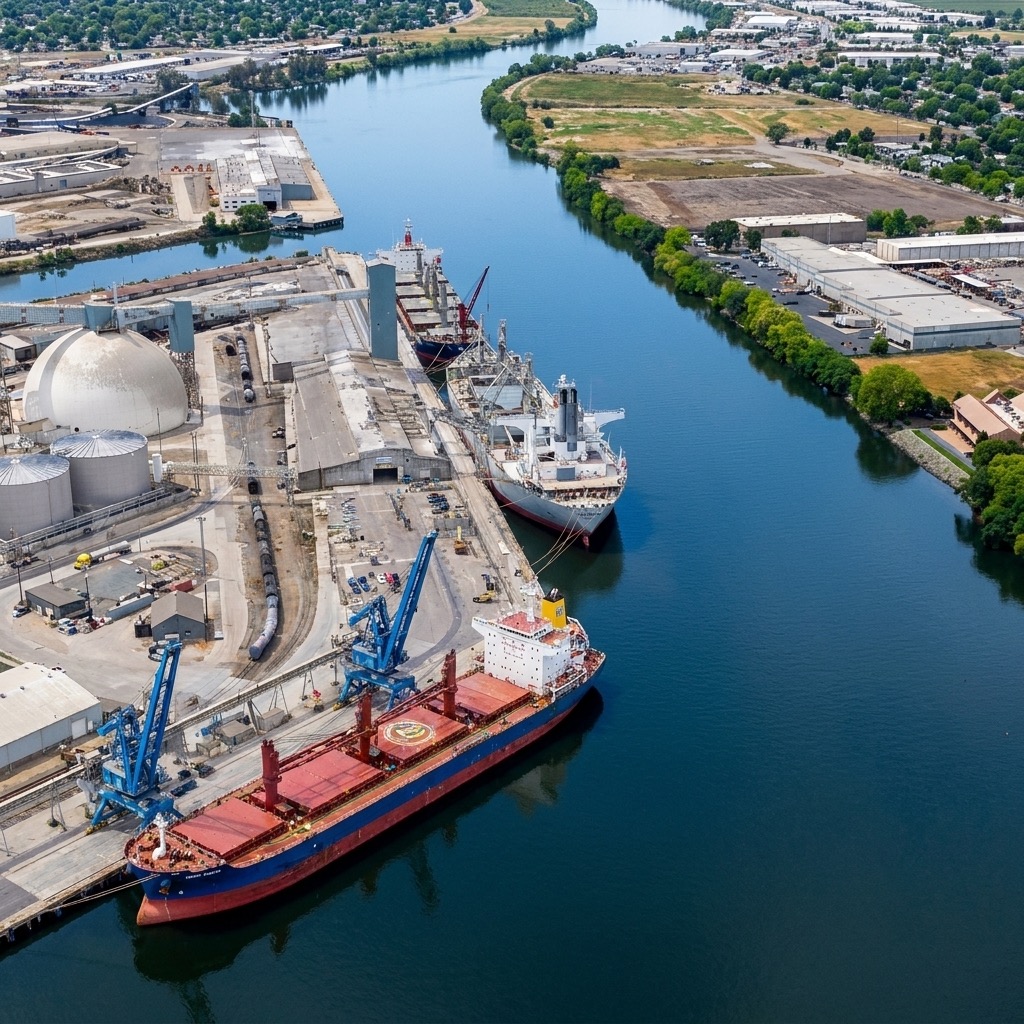
Foreign trade zone cargo yard at the Port of Stockton

Foreign Trade Zone #231

Importers & exporters · Duty deferral · Port-wide coverage

A Foreign Trade Zone is treated as legally outside U.S. customs territory: goods can be landed, stored, assembled, and manufactured inside the zone without paying duties until they enter the domestic market — and never, if they're re-exported. Stockton's FTZ #231 puts that power in the middle of the Central Valley, with coverage across the Port of Stockton's terminals and warehouses and designated sites in the city's industrial districts, so a company doesn't have to be on the waterfront to operate under zone status.

The zone's grantee, the Port of Stockton, administers FTZ #231 and can activate qualifying sites for individual operators — pairing duty savings with the Port's deep-water berths, rail service from both BNSF and Union Pacific, and millions of square feet of on-dock warehousing. Zone coverage extending toward Stockton Metropolitan Airport and the surrounding Airport Way industrial corridor adds air cargo and highway-served distribution sites to the map, giving operators a choice of water, rail, air, and freeway logistics under one customs umbrella.

The economics are compelling for a wide range of businesses: importers defer duties while inventory sits in the zone and improve cash flow immediately; manufacturers with "inverted tariffs" pay the lower finished-goods rate instead of higher component rates; and exporters eliminate duties entirely on goods that never enter U.S. commerce. Combined with FTZ-designated warehouse space currently available in Stockton — including high-cube, rail-served buildings listed on this site — the zone turns a customs technicality into one of the most concrete cost advantages the city can offer a global business.

Explore Our Key Sectors

The industries driving Stockton's economy and hiring today.